



“The Women We Don’t See: Dani Brown’s Fight for Safety on the Streets”
By Abigail Smith
 BBC
BBC
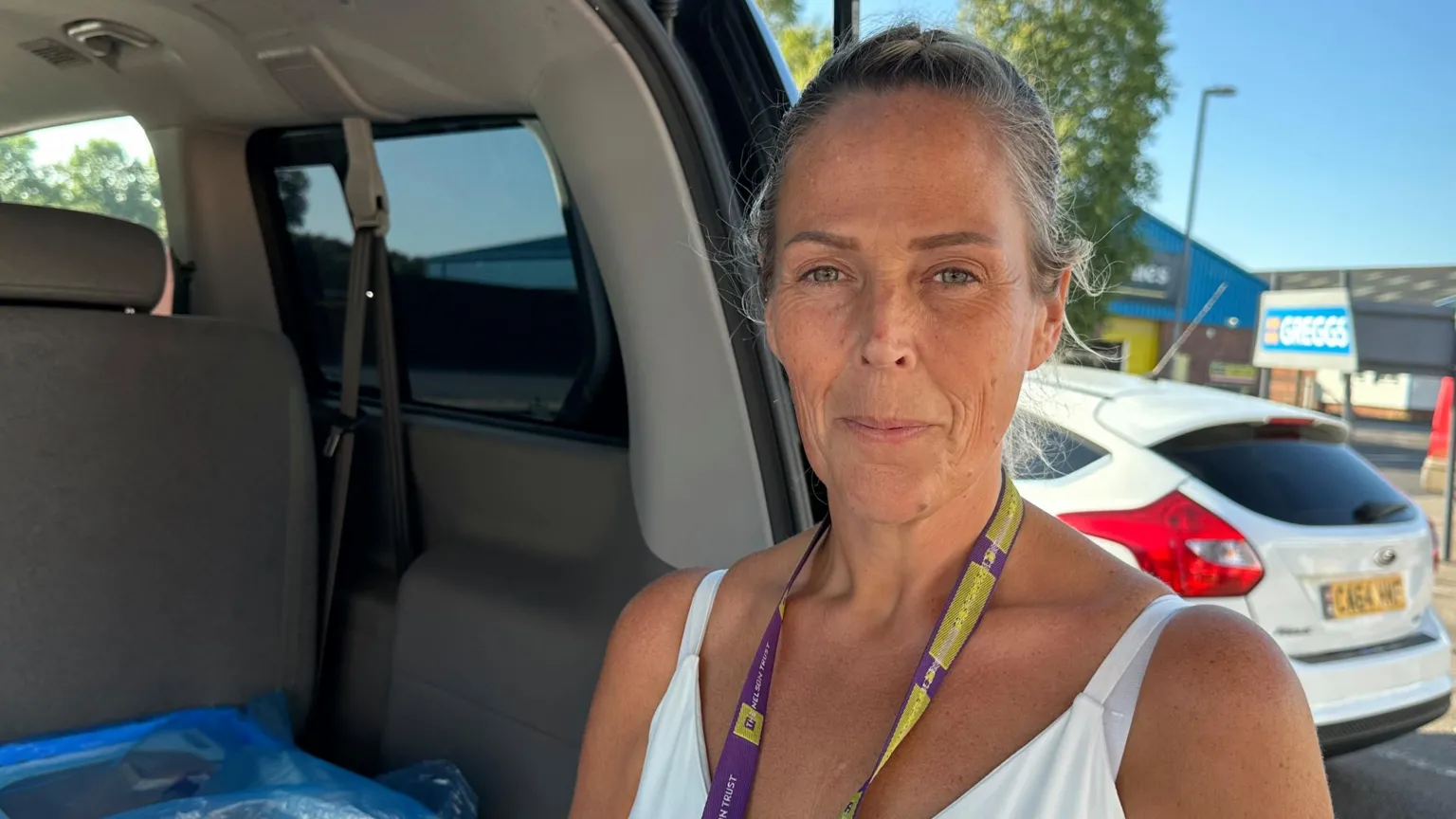
The women that Dani Brown searches for each week are often out of sight, sleeping under stairwells, behind dumpsters, or in tents tucked deep in the woods. Sadly what they all share, she says, is “being scared of what can happen to them at night.” That is why on Wednesday nights in Bridgwater, Somerset, Dani Brown loads her van with instant noodles, foil blankets, panic alarms, and clean clothing, and heads out. She isn’t delivering food to stores or preparing for an event; she is searching for homeless women who may be sleeping in alleyways, parks, and tents. She tells the BBC interviewer, “to go home and know you’ve left them… that can be heartbreaking sometimes.”
Brown serves as an outreach worker for a women’s centre run by the charity The Nelson Trust. Each week, she and a colleague spend hours driving and walking through the town, offering help to women who feel invisible or unworthy. Many of these women have experienced addiction, trauma, domestic abuse, and or mental-health challenges. One woman, Sarah (not her real name), knows how life-changing this support can be. After five years of heroin use, two prison sentences, shoplifting, and sleeping “in garages, on the streets, in alleyways,” she found the outreach team. Now, Sarah’s been clean for 18 months, and says how she “didn’t feel quite so alone” and how “everything else just falls into place” after being clean. Brown calls her story a huge success and a powerful reminder of what us women can do for others.
Although this story is so inspiring, many other women remain in dangerous and hidden situations. Brown explains how nighttime hours are especially risky for women sleeping rough as threats of violence are always present. As a study reports, women who sleep rough are “at a risk of violence, sexual assault, and robbery at astronomically higher levels than men.” This is why there are two parts to Brown’s job: handing out food, sanitary products, safety alarms, and clothes, and the deeper work of connecting to health care, housing, and support systems. One night Brown and her team reached ten women, three of which had been absent for a long time, and encouraged four of them to come into their centre the next day so that they could make a lasting impact.
The scale of this problem helps explain why Brown’s work matters so much. A report by Single homeless Project found that in England the official count identified 680 women sleeping rough, yet another identified 1,014 and local insights pointed to 1,777 women. In addition, the broader homelessness landscape is worsening. According to The Big Issue, “the UK tops the global league table with by far the highest rate of homelessness in the developed world with one in 200 households living in emergency temporary housing.”
Brown’s work proves these statistics and provides us a perspective and a human face to align them with. Her support and acknowledgment of the women is equally as important as the supplies she gives them. The risks for women sleeping rough are severe and outreach workers, like Brown, form bridges to help these women change their lives. Brown reminds herself and others that being there may be the lifeline someone reaches for tomorrow.
Resources:
https://www.bbc.com/news/articles/cn41dr2k1xmo
https://www.shp.org.uk/ten-times-more-women-sleeping-rough-than-government-counts/
https://smitfc.org/unveiling-womens-homelessness?
https://www.bigissue.com/news/housing/britains-homelessness-shame-cold-hard-facts/